
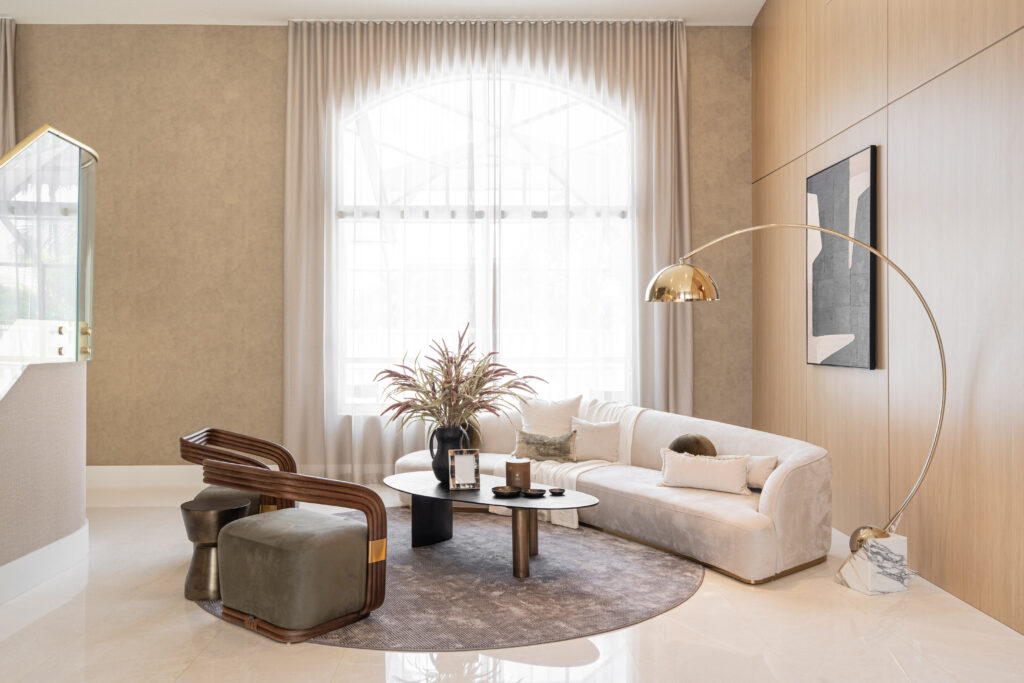
A beautiful home does not begin with furniture. It begins with structure.
A beautiful home does not begin with furniture. It begins with structure.
When people think about interiors, they often imagine finishes, colors, and styling. But the homes that feel the most sophisticated are shaped long before those layers are introduced. Their strength comes from interior architecture—the design decisions that define how a space is built, experienced, and lived in.
In custom homes, interior architecture is what transforms rooms into environments with depth, clarity, and permanence. It is the invisible framework behind elegance.
What Interior Architecture Really Means
Interior architecture sits at the intersection of interior design and architectural thinking. It focuses on the spatial and built elements inside a home, including walls, ceiling details, millwork, transitions, openings, proportions, and integrated features.
Rather than simply decorating a room, interior architecture shapes the room itself.
This can include custom paneling, concealed doors, built-in storage, stone-clad walls, ceiling recesses, fireplace compositions, feature lighting, spatial alignment, and refined transitions between materials. These details create continuity and intention throughout the house.
Custom Homes Need More Than Decoration
A custom home is an opportunity to create something fully tailored. But without a strong interior architectural vision, even a large or expensive residence can feel disconnected.
Rooms may be well furnished yet lack coherence. Hallways may feel empty. Ceilings may feel unresolved. Kitchens may function היט? Let’s avoid weird. redo.
Need keep no accidental. Continue carefully. Perhaps easier to draft fresh. Let’s produce coherent post.
Custom Homes Need More Than Decoration
A custom home is an opportunity to create something fully tailored. But without a strong interior architectural vision, even a large or expensive residence can feel disconnected.
Rooms may be well furnished yet still lack cohesion. Circulation may feel awkward. Storage may be insufficient. Key focal points may be missing. The result is a home that looks finished on the surface but does not feel fully resolved.
Interior architecture addresses these issues early, when they can be solved intelligently and beautifully.
It Improves Flow and Function
One of the greatest benefits of interior architecture for custom homes is how it improves the way a residence functions every day.
Thoughtful alignment between rooms, hidden storage, integrated niches, custom wardrobes, kitchen planning, and transitions between public and private zones all contribute to a better experience of the home. These are not secondary design details. They define how comfortable and intuitive the house feels.
When the planning is done well, the home becomes easier to live in. It feels calm. It feels organized. It feels natural.
It Creates a More Luxurious Aesthetic
Luxury is often communicated through subtlety. Flush baseboards, seamless paneling, concealed hardware, shadow reveals, integrated lighting, and perfectly proportioned built-ins can have a stronger impact than overt ornament.
Interior architecture introduces those quiet gestures that make a home feel elevated.
Instead of relying on décor to create interest, the architecture itself carries the beauty. Walls have texture and depth. Ceilings feel intentional. Joinery feels custom. The home gains a sense of permanence that styling alone can never achieve.
Lighting Works Better When It Is Planned Architecturally
Lighting is one of the most powerful elements in any residence, yet it is often treated too late in the design process.
Interior architecture allows lighting to be considered as part of the built environment. This means integrated coves, recessed details, wall-wash effects, millwork lighting, and better coordination between decorative fixtures and architectural lines.
The result is a home that not only looks better, but feels better. Light shapes mood, emphasizes materials, and helps the architecture come alive.
It Supports a Timeless Result
One of the reasons interior architecture is so valuable is that it is not trend-dependent. A beautifully proportioned wall composition or a well-designed millwork system will remain relevant far longer than decorative trends.
For clients investing in a custom home, this matters. Good architecture ages with grace. It gives the home long-term integrity and helps every later design layer feel more intentional.
When the bones of a home are strong, everything placed within it becomes more powerful.
Why Collaboration Matters
The best custom homes are never created in isolation. They are the result of collaboration between architect, interior designer, builder, fabricators, and client.
Interior architecture works best when it is developed early and coordinated carefully. That is when the design team can align structural realities with aesthetic vision, resolve technical details, and ensure that beauty and practicality are working together.
At Andrea Anez Interiors, this collaborative process is essential. Our goal is to shape residences where architecture and interiors speak the same language.
Conclusion
Interior architecture for custom homes is not an added luxury. It is one of the key elements that determines whether a home feels ordinary or extraordinary.
From space planning and millwork to lighting integration and timeless detail, interior architecture creates the depth, cohesion, and elegance that define a truly elevated residence.
When these elements are considered from the beginning, the result is not just a beautiful house. It is a home with identity, intention, and lasting value.