
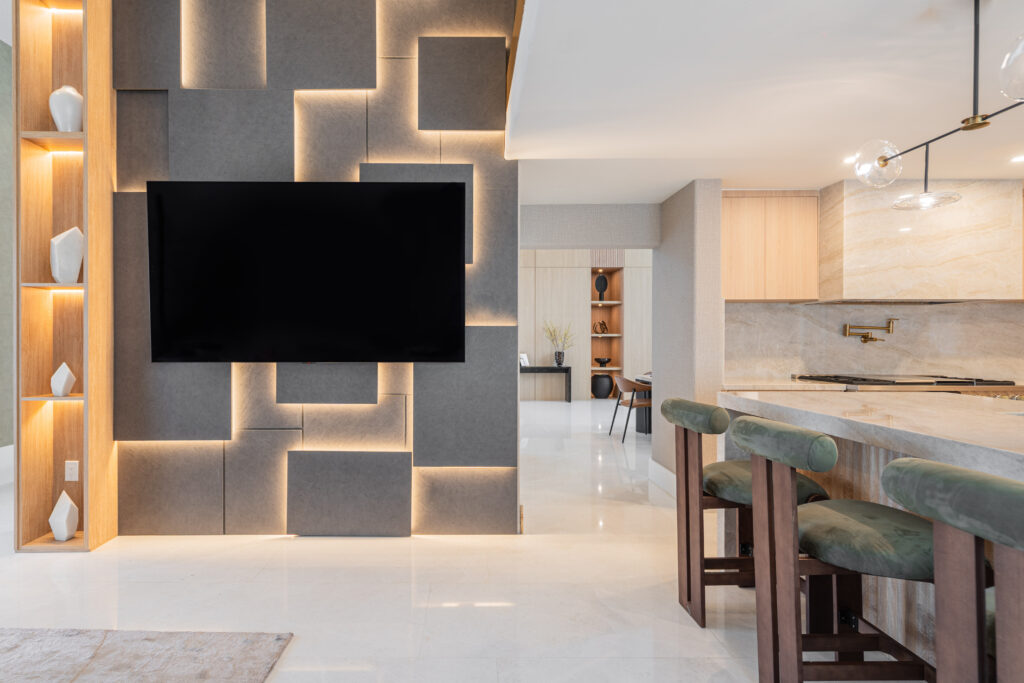
A thoughtful layered lighting design can transform how a home looks, feels, and functions. Lighting is one of the most influential elements in interior design. It shapes how colors are perceived, highlights architectural details, creates atmosphere, and determines whether a beautiful room feels warm and welcoming or flat and unfinished. In a luxury home, an effective lighting plan is never based on a single decorative fixture. It is built through carefully coordinated layers that support the architecture, furniture, artwork, and daily routines of the people who live there.
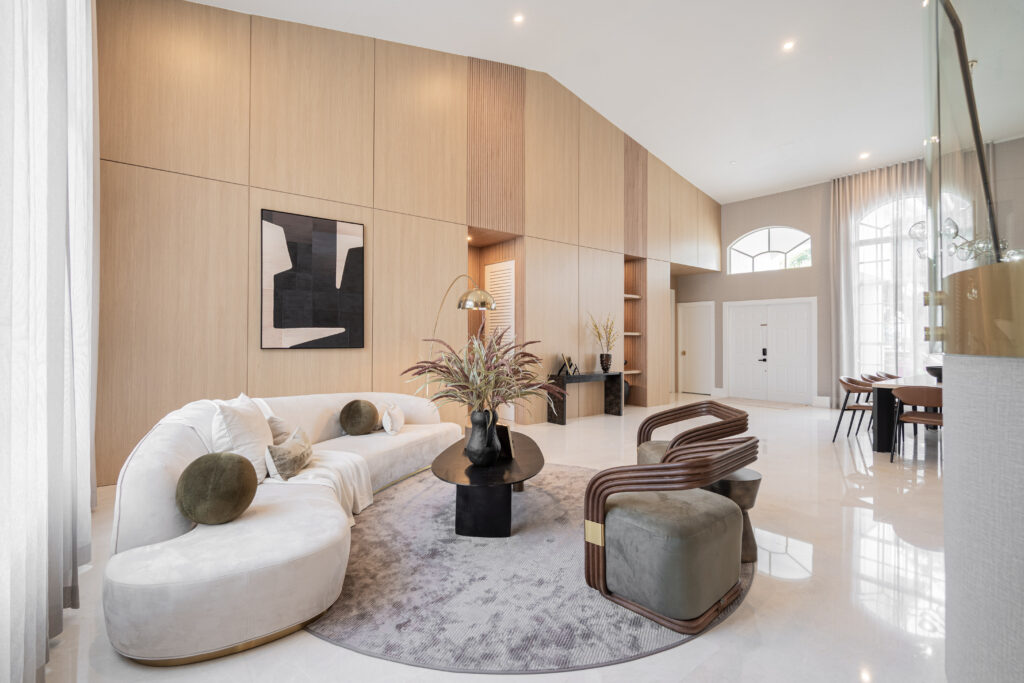
A layered lighting design combines several sources of light, each with a specific purpose. When these layers work together, homeowners can easily adjust the mood of a space for entertaining, relaxing, working, dining, or enjoying art. The result is a home that looks polished while remaining comfortable and functional at every hour of the day.
Start with the Architecture, Not the Fixture
The best lighting plans begin early in the design process. Before selecting chandeliers or sconces, it is important to study ceiling heights, window placement, furniture layouts, architectural focal points, and the locations of art and millwork. Lighting should reinforce the design of the room instead of being added as an afterthought.
A professional interior designer coordinates lighting with electrical, ceiling, and furniture plans so that every fixture lands in the correct position. A pendant centered over a dining table, recessed lights aligned with cabinetry, and picture lights placed precisely above artwork create a sense of intention that distinguishes a refined interior.
Use Ambient Lighting as the Foundation
Ambient lighting provides the general illumination that allows people to move comfortably through a room. Recessed lights, indirect cove lighting, ceiling fixtures, and architectural lighting are common sources. The goal is not to flood the room with brightness, but to establish an even and flexible base.
Dimmers are essential because the appropriate light level changes throughout the day. Bright illumination may be useful when cleaning or hosting a large gathering, while softer light creates a more intimate environment in the evening. Warm color temperatures are often preferred in residential interiors because they flatter natural materials, skin tones, and decorative finishes.
Add Task Lighting Where Daily Life Happens
Task lighting is focused illumination that supports specific activities. In a kitchen, under-cabinet lighting improves visibility on countertops. In a living room, a floor lamp beside a lounge chair creates a comfortable reading area. At a vanity, balanced lighting on both sides of the mirror reduces shadows and makes daily routines easier.
Luxury is not only about appearance; it is also about effortless use. Thoughtfully placed task lighting prevents homeowners from relying on overly bright ceiling lights and allows each area to function independently. This makes open-concept homes feel more comfortable and adaptable.
Create Depth with Accent Lighting
Accent lighting directs attention to the details that make a home unique. Adjustable spotlights can illuminate artwork, concealed LED channels can emphasize floating shelves, and integrated lighting can reveal the texture of natural stone or decorative wall panels. These subtle applications add depth and visual hierarchy.
A common mistake is lighting every surface equally. When everything has the same brightness, nothing feels important. A successful plan creates contrast by allowing certain features to glow while other areas remain softer. This balance gives interiors dimension and produces the sophisticated atmosphere associated with luxury hospitality spaces.
Choose Decorative Fixtures as Design Elements
Chandeliers, pendants, sconces, and table lamps contribute both light and visual character. Their scale, finish, shape, and material should relate to the architecture and furniture without feeling predictable. A sculptural fixture can serve as the focal point of a dining room, while a pair of understated sconces can quietly frame a fireplace or hallway.
Scale matters. A fixture that is too small can make a generous room feel unresolved, while an oversized piece may interrupt views or overwhelm the furniture below it. Designers evaluate ceiling height, table dimensions, sightlines, and surrounding elements before selecting the appropriate size and suspension height.
Coordinate Controls for Flexibility
Even the most beautiful fixture cannot perform well without thoughtful controls. Separate circuits and dimmers allow ambient, task, accent, and decorative lighting to be adjusted individually. Preset scenes can make the system even easier, offering combinations such as entertaining, dinner, evening, or away with a single command.
Smart controls should simplify the experience rather than complicate it. The best systems feel intuitive, with switches located where homeowners naturally enter and use a space. Coordinating controls with automated shades can also balance daylight and electric light throughout the day.
Consider Natural Light Throughout the Day
A complete lighting plan includes daylight. Window orientation, sheer drapery, solar shades, reflective surfaces, and room colors all influence how natural light moves through an interior. In South Florida homes, controlling glare and heat is especially important, but blocking daylight completely can remove the connection to the landscape.
Layered window treatments offer flexibility by filtering strong sunlight during the day and providing privacy at night. When daylight and artificial lighting are planned together, the home maintains a consistent mood from morning through evening.
Design a Home That Feels as Beautiful as It Looks
Thoughtful lighting reveals the best qualities of an interior. It makes stone appear richer, wood feel warmer, artwork more expressive, and gathering spaces more inviting. More importantly, it supports the way a family actually lives, allowing every room to shift naturally between different activities and moods.
At Andrea Anez Interiors, lighting is considered as part of the complete design concept, from architectural coordination to decorative fixture selection. By integrating every layer with the layout, materials, and lifestyle of each client, we create interiors that feel refined, comfortable, and beautifully illuminated. Contact Andrea Anez Interiors to begin planning a personalized luxury home.
For professional resources, visit the American Society of Interior Designers and explore Andrea Anez Interiors’ interior design services.